
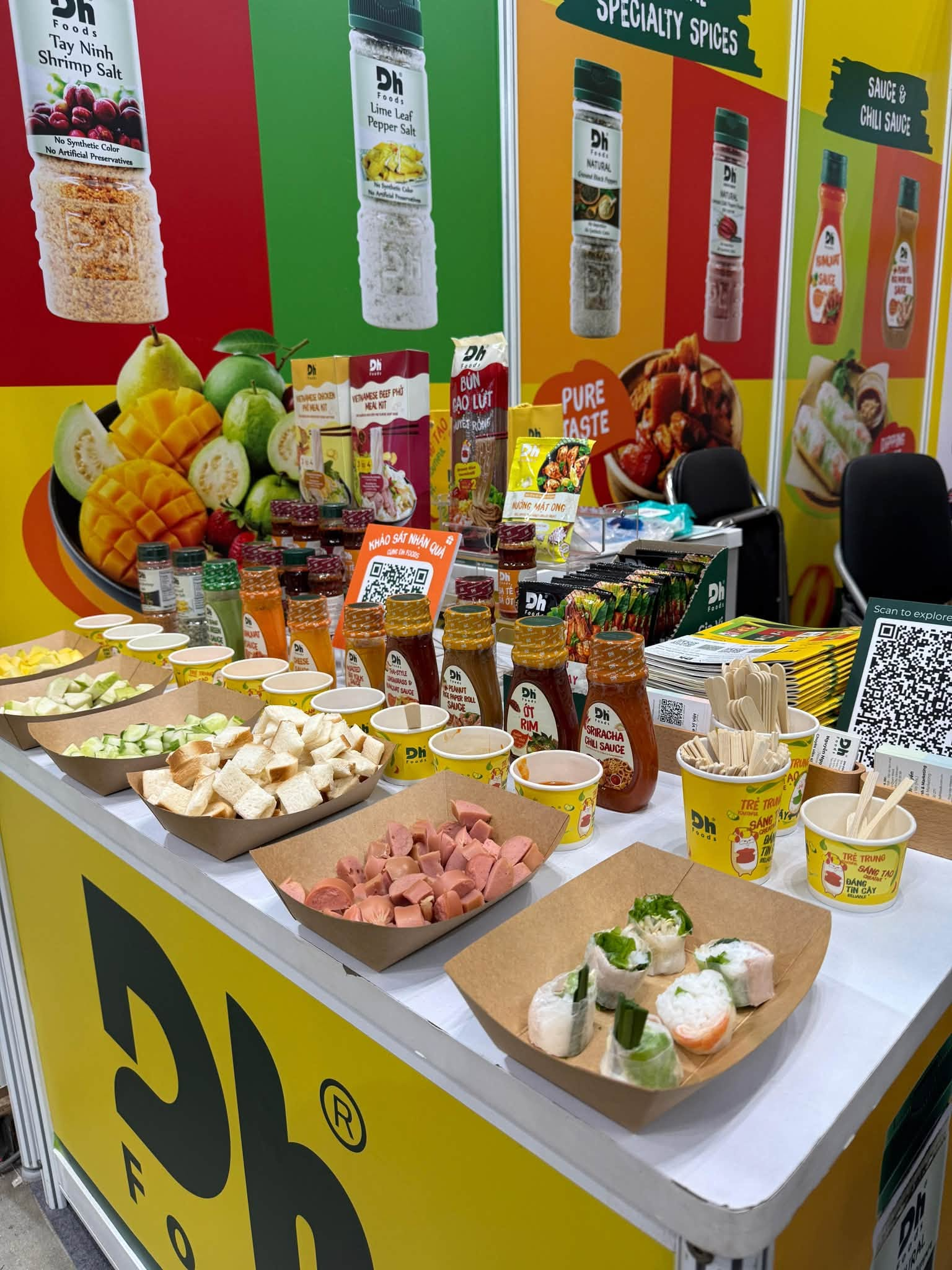
Five areas of preparation to help startups control exhibition costs and meet the right partners, drawing on the Dh Foods founder’s experience.
Spending more does not necessarily create more opportunities
Paying for a booth, taking products overseas and welcoming visitors for days can still leave a business without the right buyer. Nguyễn Trung Dũng, founder of Dh Foods, describes this situation in his reflections on attending trade shows with his company.
For a startup, an international exhibition can consume a substantial budget, time and staff capacity. Yet spending more does not necessarily generate more opportunities. A busy booth does not automatically mean finding a suitable importer.
Drawing on Dh Foods’ experience, Dũng outlines five areas of preparation that can help businesses control costs and make better connections. The common thread is to set clear goals, prepare early and follow up after the event.
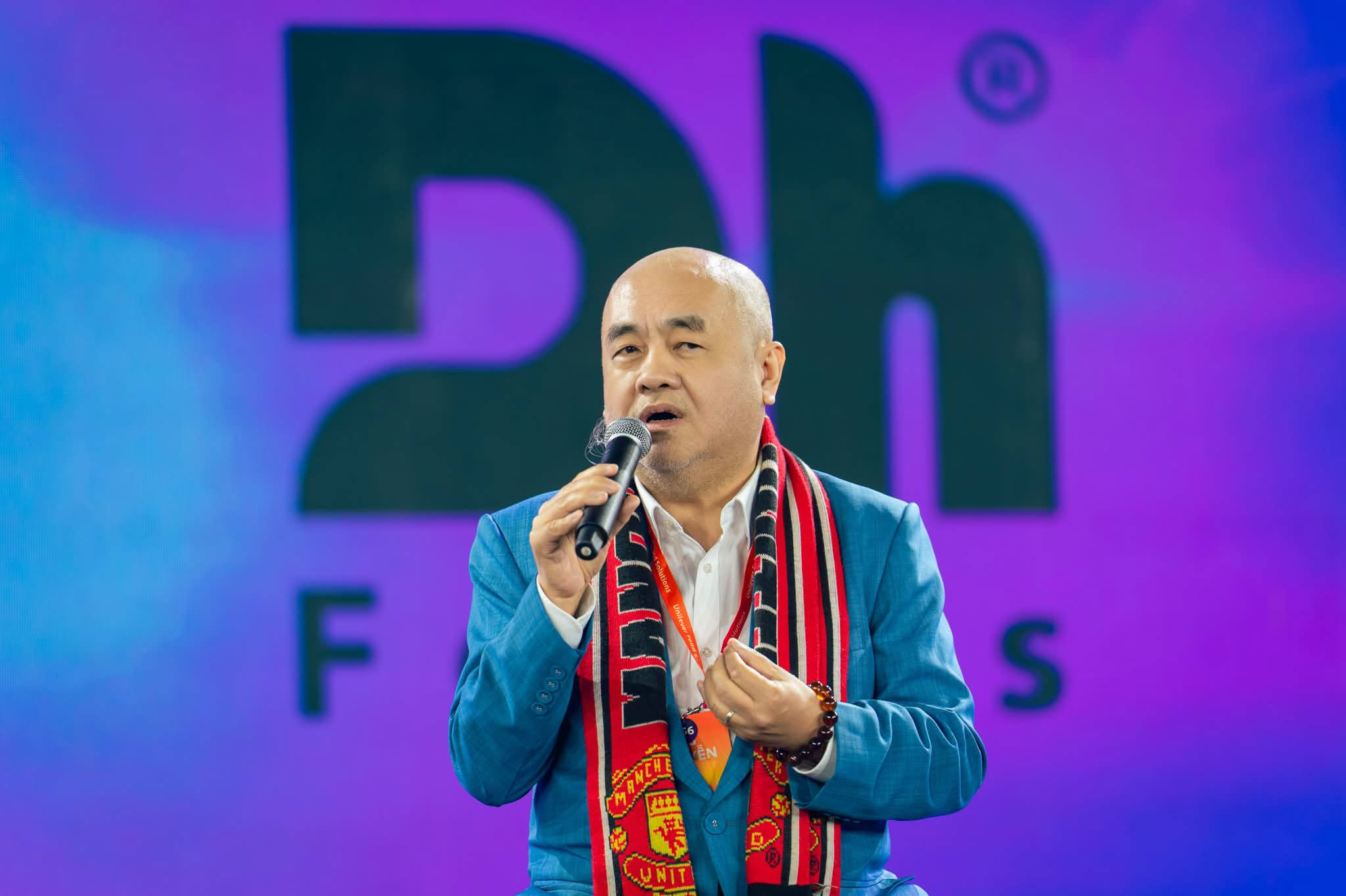
1. Register early and plan more than a place to exhibit
According to Dũng, many international exhibitions open registration months in advance, offer early-bird rates and allocate booth choices in registration order. Planning early can therefore help control costs while providing more location options.
At Dh Foods, planning for the next exhibition season often begins as soon as the current event ends. This gives the whole team time to prepare, rather than rushing through tasks just before departure.
Registering a booth is only the first step. Business Matching, which connects exhibitors with buyers, importers and potential partners, also deserves serious attention.
A company profile should make its products, supply capabilities and partnership opportunities easy to understand. Businesses should also invite suitable buyers to meetings rather than simply wait for people to walk past.
For first-time international exhibitors, joining a Vietnamese business delegation may be worth considering if the program provides booth support, trade connections and organizational guidance.
Business lesson: Prepare meetings with the right partners as carefully as the booth itself.
Read nextPut it into practice: Choosing a B2B trade show: A crowd is not a customer fit2. Control booth costs through preparation
A poster printed in the wrong size may be a minor problem at an exhibition close to the office. Overseas, correcting it can bring unexpected rush-printing charges, transport costs and delays.
Dũng suggests checking booth-wall dimensions carefully before designing materials and considering printing posters or backdrops in Vietnam to take along where practical. Packaging also matters, so materials do not arrive creased or damaged.
For display shelves, furniture or additional equipment, compare exhibition rental with buying items and having them delivered to the venue. In some cases, buying a suitable shelf may cost less than renting one for a few days.
From a cost-management perspective, compare the total cost of getting each item to the booth and ready to use, including transport, delivery handling, installation and what happens to it after the event.
Business lesson: Effective savings reduce avoidable costs while preserving the quality of the partner experience.
Read nextPut it into practice: Trade show budgeting: Count the full cost before forecasting sales3. Prepare samples for the conversations that continue after the show
Bringing just enough products for display can mean missing an important next step: allowing buyers to take samples away for evaluation.
Potential partners may need to try products, consult their teams or assess distribution potential before proceeding. Prepare samples around your partnership goals, in addition to products needed for display.
Dũng emphasizes planning transport early, based on quantity and destination requirements. For food in particular, businesses need to check the import, customs and declaration requirements applicable to each trip.
A fully finished booth with samples still in transit significantly limits the ability to present products.
Business lesson: Samples help potential partners move forward in evaluating a product and exploring cooperation.
Read nextPut it into practice: A buyer-ready trade show profile: Make the next decision easier4. Keep immediate sales in perspective when the goal is market development
Each exhibition has its own rules on visitors and sales. Check the schedule, audience and requirements for the specific edition before attending.
Even where sales are permitted, the central question remains: what is the business trying to achieve here?
If the goal is to find importers or build a distribution network, prioritize understanding needs, explaining capabilities and recording partner information. A conversation with the right person may generate more long-term value than a few days of retail sales.
Dũng notes that buyers visit many booths and see many products, making it difficult to remember every business. After each meeting, record contact details, requirements and what was discussed.
After the exhibition, proactively send a thank-you message, product information and a relevant commercial offer once sufficient information is available.
Business lesson: Opportunities need follow-through. A business card is useful when the business knows what to do next.
Read nextPut it into practice: After the trade show: A 30-day plan to keep buyer conversations moving5. Count travel costs in money, time and energy
Flights and hotels are often treated as logistics. Yet these choices directly affect the team’s ability to work throughout an exhibition.
Dũng recommends booking travel and accommodation and checking entry procedures early. Conveniently located accommodation can save the team time, especially when staff need to be at the booth early in the morning.
In cities with heavy traffic, a short distance on a map does not necessarily mean a quick journey. A cheaper room with a long commute can increase total costs and leave the team tired before important meetings.
Business lesson: Good logistics help the team arrive on time, work effectively and stay in control of its meeting schedule.
Business lesson: Exhibition results begin taking shape before the booth opens
Nguyễn Trung Dũng’s experience suggests that exhibiting should be managed as a market-development activity with clearly defined goals.
Before the event, identify the partners you want to meet and give them a reason to be interested. During the event, understand their needs and agree on next steps. Afterwards, keep the conversation going so opportunities are not forgotten.
From Bài Học Kinh Doanh’s perspective, businesses can look beyond booth traffic and track measures closer to their goals: relevant meetings, sample requests, requests for quotations and partners who continue discussions after the show.
Not every meeting will immediately produce an order. But a clear process helps a business understand where its budget is creating opportunities and what to improve next time.
The booth may be dismantled after a few days. The value of the exhibition lies in business relationships that continue to develop afterwards.
If you could choose only one goal for your next trade show, would your business prioritize awareness, finding distributors or testing demand in a new market?
Read nextConnect with Nguyễn Trung Dũng and Dh Foods on BHKD Connect- Register early and proactively arrange meetings with suitable partners.
- Prepare the booth, samples and logistics carefully to limit unexpected costs.
- Follow up on opportunities rather than simply counting booth visitors.
The value of an exhibition lies in business relationships that continue to develop after the booth closes.
Suggested actions
Series: Trade show playbook: From booth to partnership
- GO TO TRADE SHOWS TO FIND PARTNERS, NOT JUST TO BRING HOME A BEAUTIFUL BOOTH AND A BILL
- Choosing a B2B trade show: A crowd is not a customer fit
- Trade show budgeting: Count the full cost before forecasting sales
- A buyer-ready trade show profile: Make the next decision easier
- After the trade show: A 30-day plan to keep buyer conversations moving
Sources and updates
Edited from remarks by Nguyễn Trung Dũng, founder of Dh Foods, supplied by the contributor. Business takeaways and measurement suggestions were developed by Bài Học Kinh Doanh.
Last updated: 14 Oct 2026
Bài Học Kinh Doanh Editorial Team
Editorial Team | Bài Học Kinh DoanhBan Biên tập Bài Học Kinh Doanh tổng hợp và biên tập các nội dung về kinh doanh, thị trường, quản trị, công nghệ và khởi nghiệp, với mục tiêu giúp người đọc hiểu rõ vấn đề, nhìn thấy bài học phía sau dữ kiện và có thêm cơ sở cho các quyết định thực tế.
View author profile

