
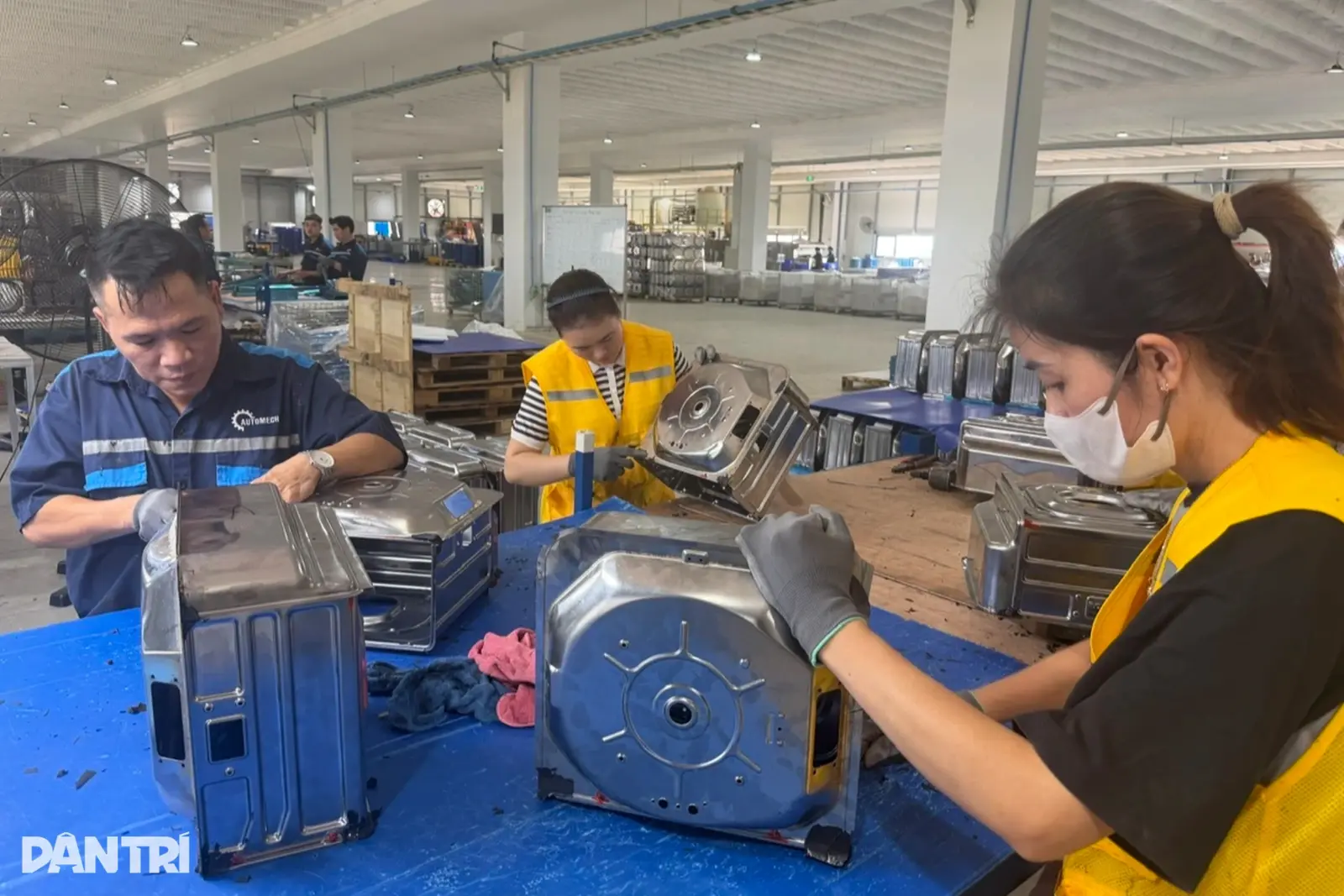
Automech's second factory in the Việt Nhật industrial cluster, Bắc Ninh, opened on June 15, 2026 with a reported VND 250 billion investment. More significant than capital scale is the transition from supplying machinery and engineering solutions to manufacturing components directly. The story shows Vietnamese supporting-industry opportunities lie in mastering multiple stages, consistent quality and stricter buyer requirements, not merely owning more production lines.
A significant shift: from selling equipment to making components
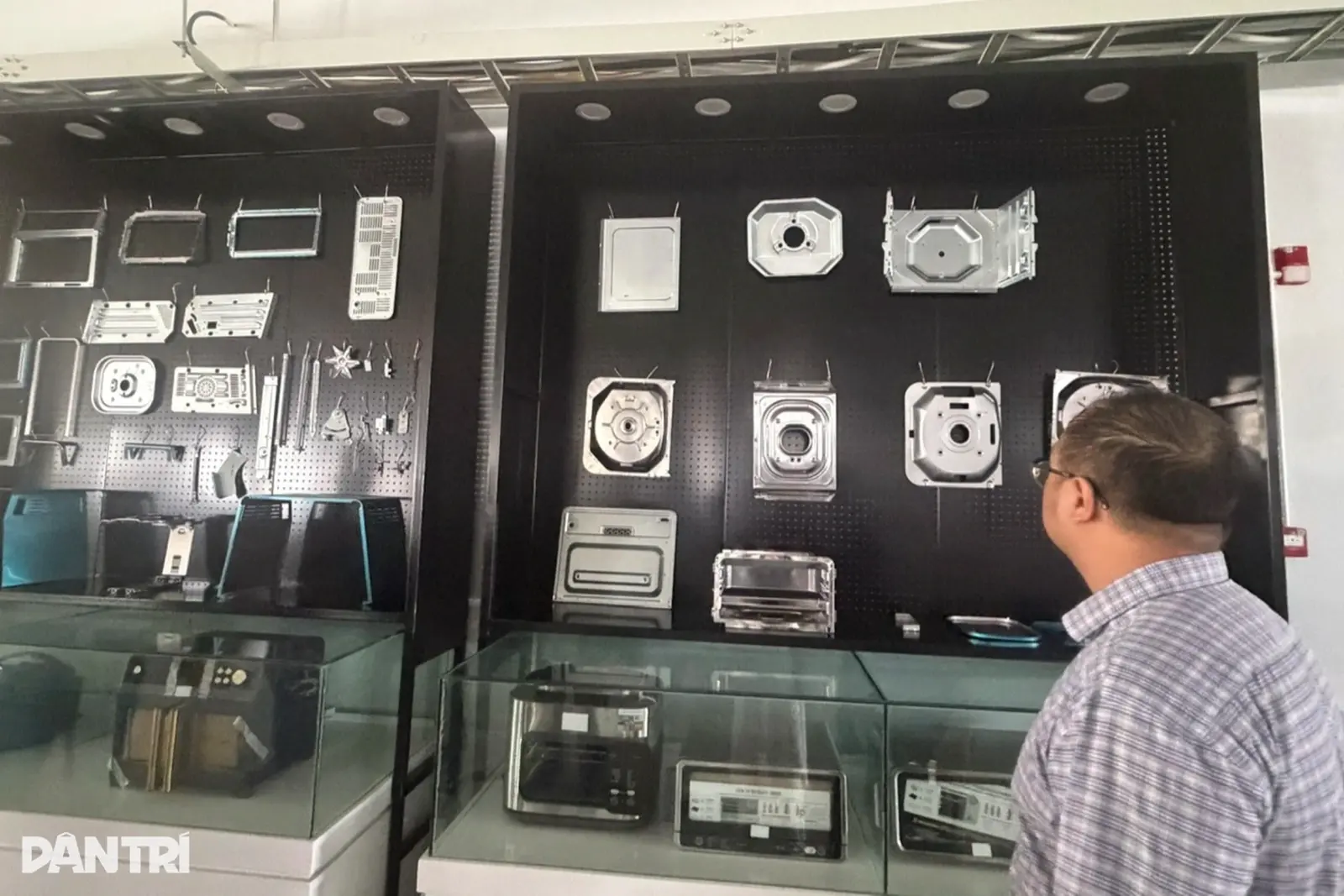
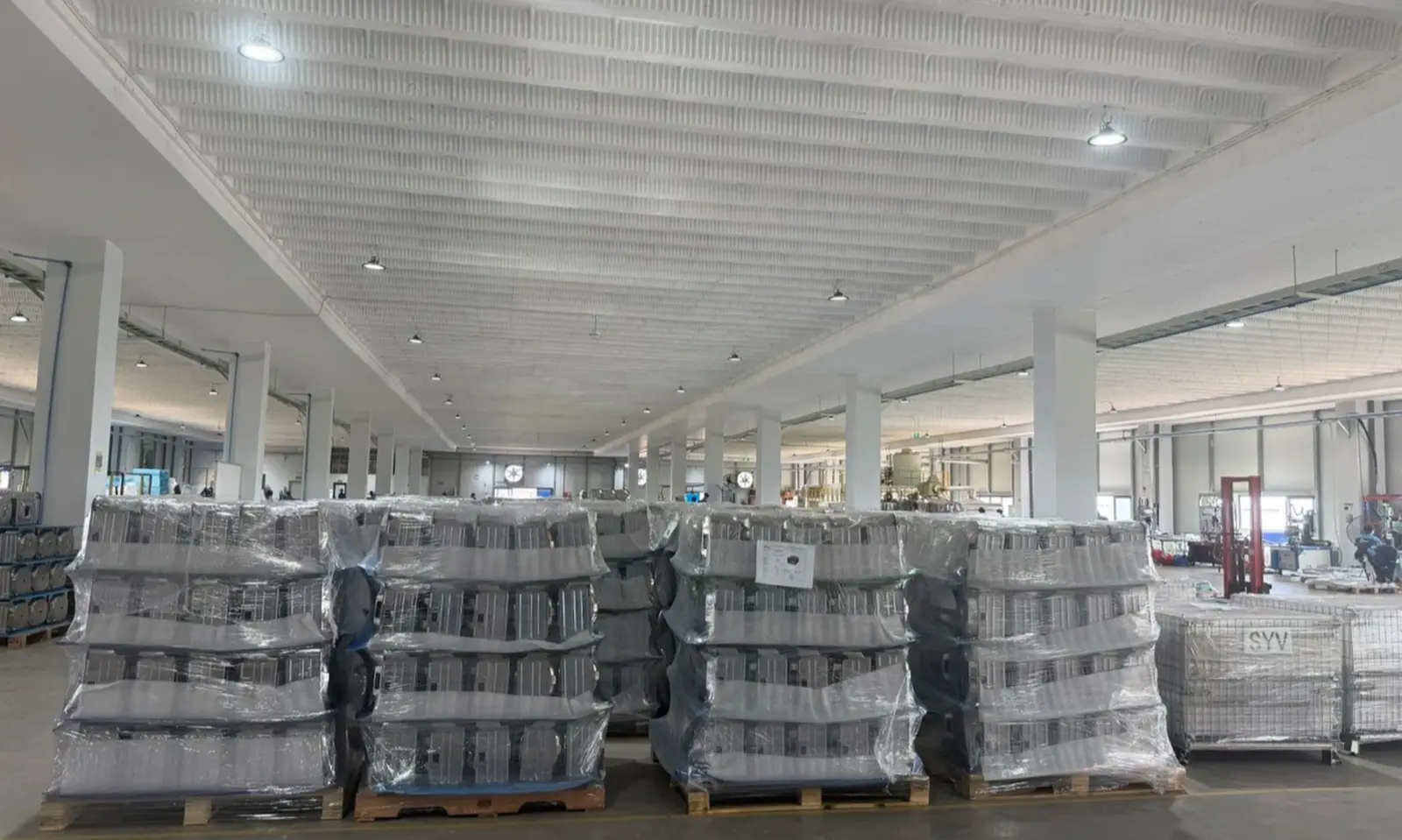
Public information states that Công ty Cổ phần Thiết bị và Giải pháp Cơ khí Automech's second manufacturing plant in the Việt Nhật industrial cluster, Bắc Ninh, opened on June 15, 2026. Reported investment is VND 250 billion, focused on parts and components for cars, motorcycles, electric vehicles and household appliances.
The significance extends beyond a new plant. Since 2023, the company has moved from supplying equipment and mechanical solutions into parts production, automated machinery, dies and fixtures. This shifts it from selling production tools to direct accountability for output quality, volumes and delivery deadlines.
Within the value chain, this may retain more added value, deepen buyer understanding and accumulate production data. Risks also increase: capital sits in machines, materials and inventory; a quality error can affect a whole batch; unfilled capacity rapidly becomes a fixed-cost burden.
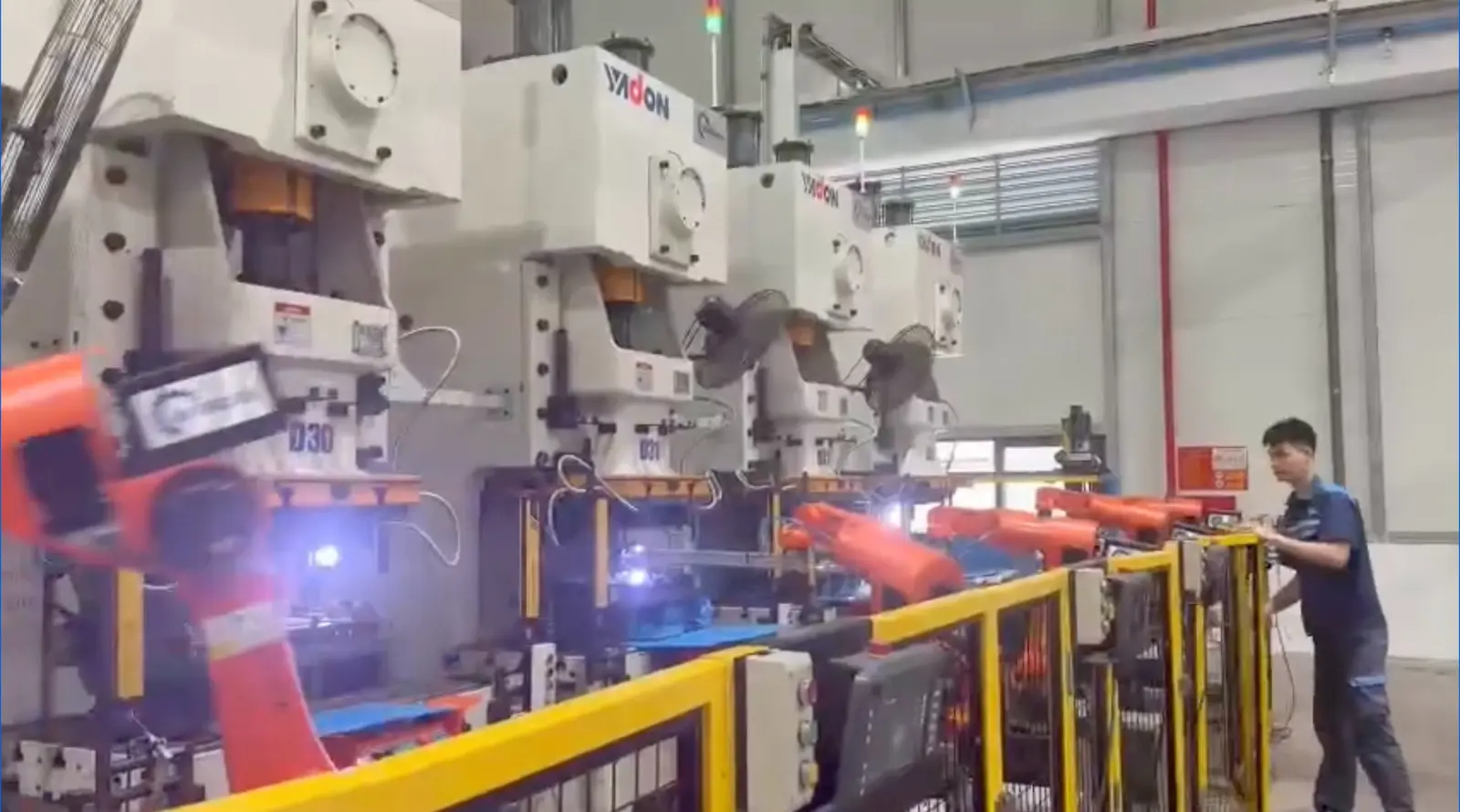
Automation is more than placing robots beside stamping presses
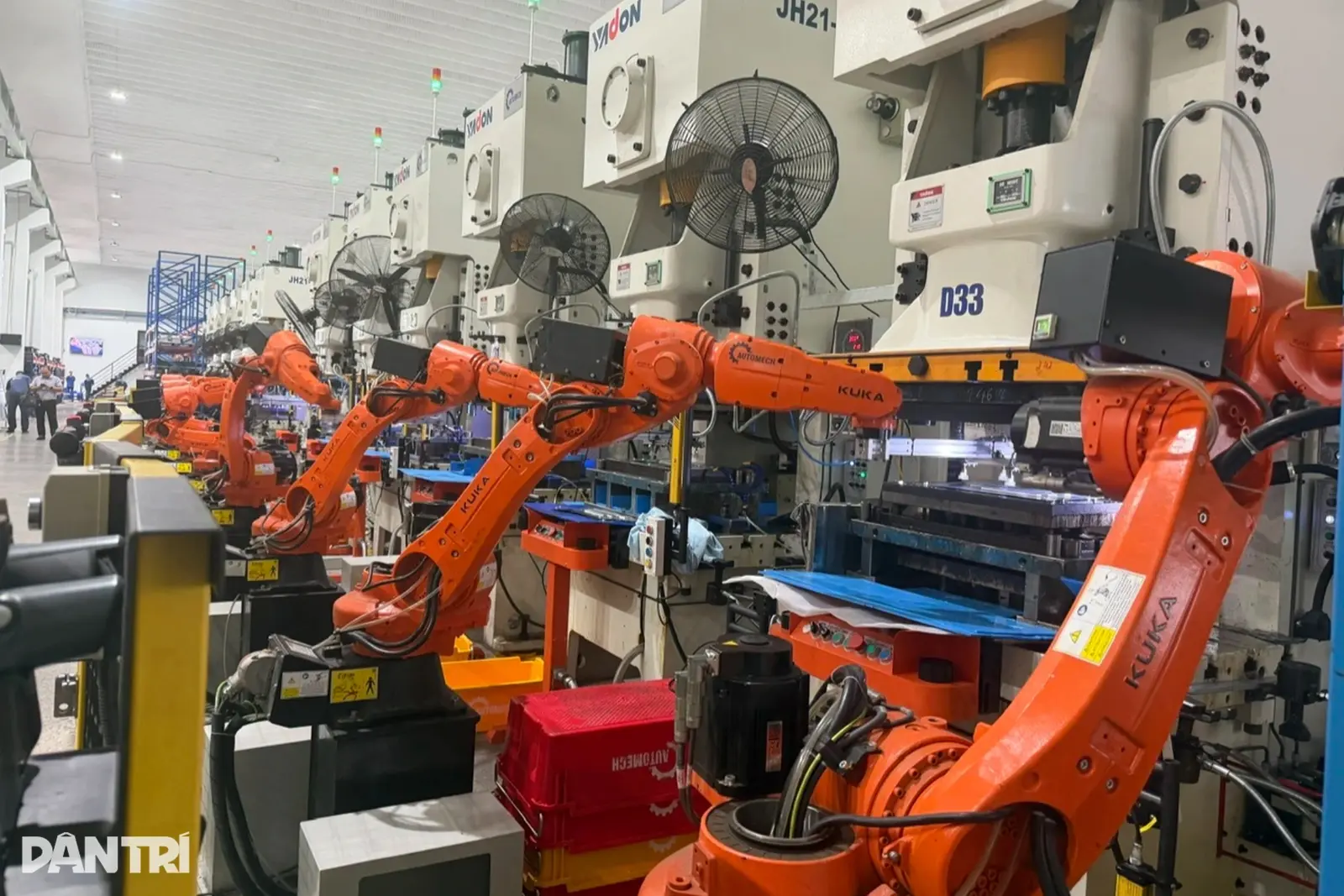
Production-line images show robots around stamping systems. Automation may shorten cycles, reduce repetitive work and improve consistency. Performance comes not from standalone robots but whole-process design: blank feeding, dies, sensors, machine parameters, inspection, collection, maintenance and abnormality handling.
A fast line producing much scrap is not efficient. A low-staffing system with long stoppages at product changeovers may not have favorable costs. Track productivity, first-pass yield, downtime, die-change time and quality costs together to see whether investment creates advantage or merely enlarges the asset register.
Technology changes staffing requirements too. Direct labor does not simply disappear; roles shift toward setup, monitoring, maintenance, error analysis and improvement. Equipment investment therefore needs a skills map and training roadmap, or modern machinery may lack capable operators.
The gap between machining capability and supply capability
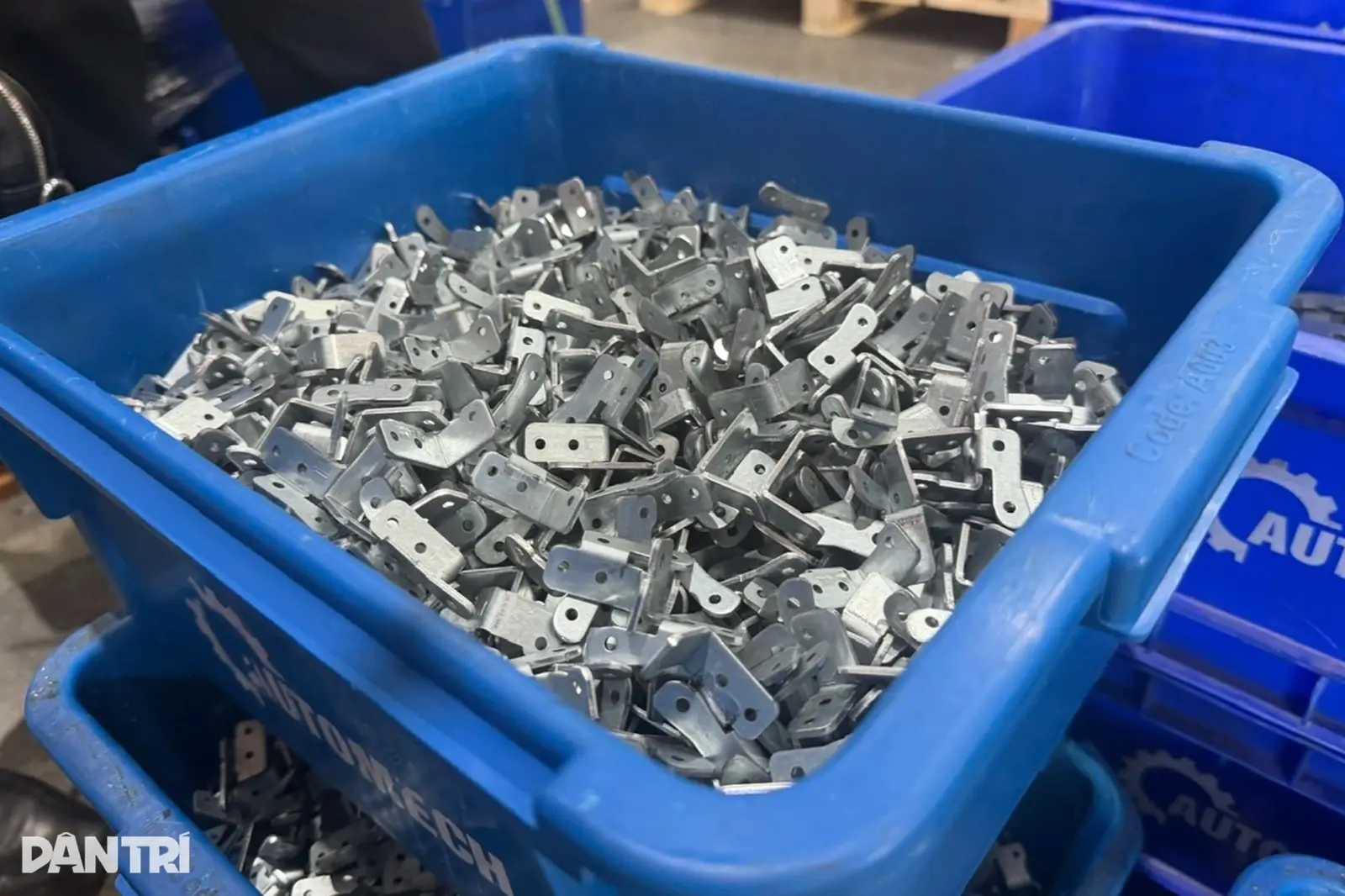
Cutting machines, press brakes, CNC equipment and welding robots enable processes. Becoming a supplier requires proving that the same part can meet specifications thousands of times, arrive on time and have records for tracing problems.
Buyers purchase more than shaped metal. They buy assurance that tolerances are controlled, materials correctly sourced, dies maintained, engineering changes approved, defects isolated and root causes addressed. Measurement, traceability and problem-solving therefore often matter as much as machining.
Distinguish participating in a project from becoming a strategic supplier. Press sources report Automech's involvement in projects for VinFast, Hòa Phát, Kim Long Motor, SYV and some Korean FDI customers. Individual scope, sales and duration are unpublished. The appropriate signal is experience with several industrial customer groups, not guaranteed future order scale.
Why automotive, electric vehicles and appliances create an opportunity window
As manufacturers expand in Vietnam, demand for nearby suppliers rises because shorter distances can reduce transport time, safety stock and engineering-change response time. In northern manufacturing clusters, a Bắc Ninh supplier also benefits from established regional electronics, engineering and logistics networks.
Electric vehicles create new parts and requirements, but opportunities do not automatically belong to domestic businesses. Suppliers still compete with FDI companies and imports on total cost, reliability and improvement speed. Localization is sustainable when domestic products meet commercial standards, not when selected for proximity alone.
Serving cars, motorcycles, electric vehicles and appliances diversifies demand but adds complexity: each industry has different order rhythms, standards and approval processes. Good strategy means selecting groups sharing materials, technology, dies, inspection capability and engineering experience, not accepting every order.
Three difficult challenges begin after expansion
First, fill capacity without sacrificing margins. Once investment is spent, depreciation, maintenance, energy and staffing create recurring costs. Pressure to accept low-priced orders to keep machines running can deepen cash shortages if die costs, changeovers, scrap and working capital are miscalculated.
Second, control concentration risk. A large customer can rapidly increase volumes but also gain strong bargaining power. Track revenue share, specialized-equipment use, collection terms and line-conversion flexibility if demand changes.
Third, mature management. As product codes, shifts and suppliers multiply, management by personal experience soon reaches its limits. Production planning, quality management, preventive maintenance, change control and traceability data must grow with the factory.
Lessons for Vietnamese supporting-industry businesses
First, sell problem-solving capability instead of machine hours. A supplier involved in design for manufacturing, dies, fixtures, samples and process improvement often has a stronger position than one merely receiving drawings and quoting machining.
Second, develop depth before excessive breadth. Product families sharing technology help accumulate knowledge of tolerances, recurring defects, die design, materials and inspection faster. Capability profiles become more specific and persuasive.
Third, turn operating data into sales evidence. On-time delivery, defect rates, engineering-change response times, complaint-resolution days and improvement results help buyers assess risk. In industrial B2B, reliability is proven by operating history, not factory photographs alone.
Automech's story is a notable slice of Vietnam's industrial upgrading. A new plant opens possibilities, but deeper supply-chain participation is decided batch by batch: is quality consistent, are commitments kept, and does the business learn faster after each problem?
- A new factory adds supply capacity; value-chain position depends on quality, timing, traceability and continuous improvement
- Automation is valuable within a system of dies, fixtures, process data, quality control, maintenance and engineering staff
- Vietnamese businesses seeking deeper supply-chain participation must reduce single-customer dependence, manage capacity and standardize capabilities for each industry's requirements
Industrial investment cannot be judged solely by capital, area or machine counts. Sustainable advantage forms when equipment becomes a system producing to specification and schedule, repeatedly and at controlled costs. That capability encourages buyers to award more component codes and collaborate long term.
Suggested actions
Sources and updates
Prepared by Bài Học Kinh Doanh's editorial team on September 9, 2026 from Dân Trí's photo report, Automech announcements and Báo Bắc Ninh. Investment, opening date, product groups, customers and projects follow public sources; the article does not confirm unpublished revenue, capacity or localization rates. All images were user-supplied, credited to Dân Trí photographer Bảo Anh. This is independent analysis, not advertising or confirmation of commercial relationships between Bài Học Kinh Doanh and the companies mentioned.
Last updated: 9 Sept 2026
Bài Học Kinh Doanh Editorial Team
Editorial Team | Bài Học Kinh DoanhBan Biên tập Bài Học Kinh Doanh tổng hợp và biên tập các nội dung về kinh doanh, thị trường, quản trị, công nghệ và khởi nghiệp, với mục tiêu giúp người đọc hiểu rõ vấn đề, nhìn thấy bài học phía sau dữ kiện và có thêm cơ sở cho các quyết định thực tế.
View author profile

