The IBAS startup story raises a practical question: are customers paying for useful value or costs that could be reorganised? The lesson is to break down total costs and validate a new delivery model.
The business opportunity behind a plastic container
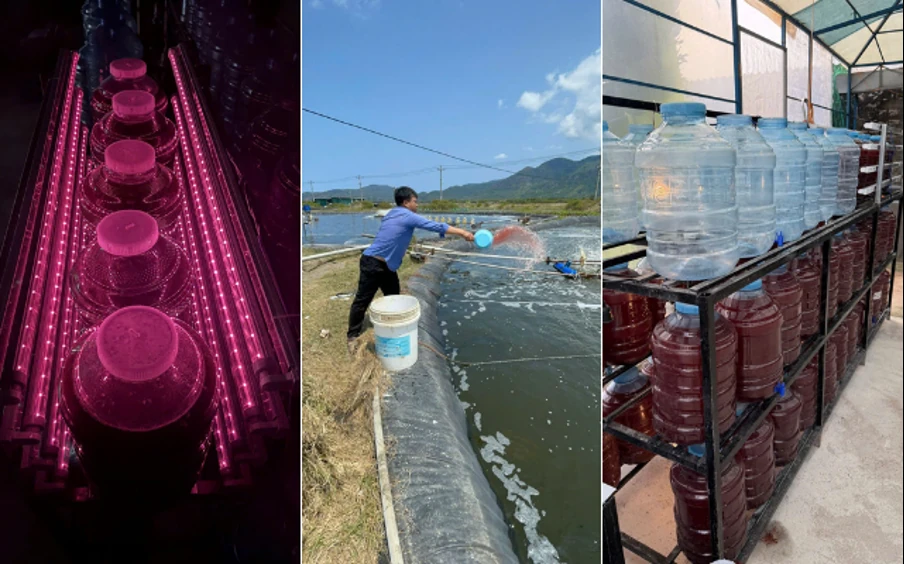
In a CafeF interview published on 11 October 2026, Nguyễn Hạ Minh Quân, born in 1992, described returning from the US and building IBAS with his colleagues. Packaging and transportation added substantially to the cost of delivering microbial products to farms. IBAS supplies inputs and transfers a process for local cultivation instead of simply selling finished liquid products.
What does the US$4.6 billion figure represent?
According to VASEP’s publication dated 23 January 2026, citing Vietnam Customs, shrimp exports reached US$4.6 billion in 2025, up 19% year on year. This is Vietnam’s shrimp export value, not IBAS revenue or the size of the microbial products market.
From a market-analysis perspective, a large export sector can generate demand for many input suppliers. Assessing a startup’s opportunity still requires identifying the customers it can serve, their spending on the solution and the practical ability to reach them.
Lesson one: examine the customer’s total cost
A product reaches its customer with several layers of cost: inputs, processing, packaging, storage, transport and the effort required to use it. Any of these layers can offer room for improvement, including those rarely mentioned in advertising.
For a small business, start by breaking down a typical order. How much does the customer pay for the core function, and how much for getting the product to the right place at the right time? Which costs could fall without compromising quality?
Lesson two: rethink how value is delivered
In Bài Học Kinh Doanh’s analysis, the interesting question is where the finished product should be made. Moving a stage closer to the point of use requires reassessing logistics alongside the extra effort, equipment and responsibilities passed to the customer.
A lower input price alone does not establish that a solution saves money. The comparison must include total use costs: training, operation, quality checks and handling unsuccessful batches.
Lesson three: the process is part of the product
When customers participate in making a product, instructions and technical support become part of what is sold. The process must be clear enough for newcomers, include checks that reveal deviations and provide a support contact when problems occur.
Before scaling a comparable model, a business can trial it with a small customer group and record full-cycle costs, correct-execution rates and support needs. Field results help establish whether the approach is more convenient and effective for buyers.
The lesson is not to copy a microbial product. It is to question costs that a market has become accustomed to accepting: could the same value reach the customer with less waste?
Read nextRead next: Build in-house or outsource to create competitive advantage?- Packaging and transportation deserve their own cost analysis.
- US$4.6 billion represents Vietnam’s shrimp exports in 2025.
- A new model must account for costs and work transferred to customers.
Innovation opportunities can lie in familiar costs that no one has questioned.
Suggested actions
Frequently asked questions
Is US$4.6 billion the size of the microbial products market?
No. It is Vietnam’s 2025 shrimp export value reported by VASEP, not IBAS revenue or the microbial products market size.
Sources and updates
Brief factual summary of Yên Chi’s CafeF interview dated 11 October 2026, with shrimp export data reported by VASEP on 23 January 2026. The lessons are Bài Học Kinh Doanh’s own analysis. Two images supplied with the article.
Last updated: 11 Oct 2026
Bài Học Kinh Doanh Editorial Team
Editorial Team | Bài Học Kinh DoanhBan Biên tập Bài Học Kinh Doanh tổng hợp và biên tập các nội dung về kinh doanh, thị trường, quản trị, công nghệ và khởi nghiệp, với mục tiêu giúp người đọc hiểu rõ vấn đề, nhìn thấy bài học phía sau dữ kiện và có thêm cơ sở cho các quyết định thực tế.
View author profile