Dh Foods was not Nguyễn Trung Dũng’s first startup. After successes and failures in Poland, he founded the seasoning company at fifty with around VND 1.2 billion. The lesson is not age, but how a founder uses experience to start leaner, control capital more tightly, maintain channel discipline, and keep repositioning after the business is established.
1. Starting again does not mean returning to zero
When founding Dh Foods in late 2012, Nguyễn Trung Dũng was around fifty and had already experienced several businesses in Poland. He had built a business with millions of USD in sales, but had also lost most of his assets and suffered mental exhaustion. Calling Dh Foods a late startup describes his age but misses the substance: this was a fourth venture by someone who had paid for learning with money, time, and business control.
A restarting founder’s advantage is not knowing the answers in advance. It is recognizing important questions earlier: what to do internally, which terms can disrupt cash flow, when to add staff, and who genuinely fits as a co-founder. Experience creates value when converted into decision principles; if it only generates confidence, it can lead to repeating old mistakes in a new context.
2. After a major failure, design a smaller start
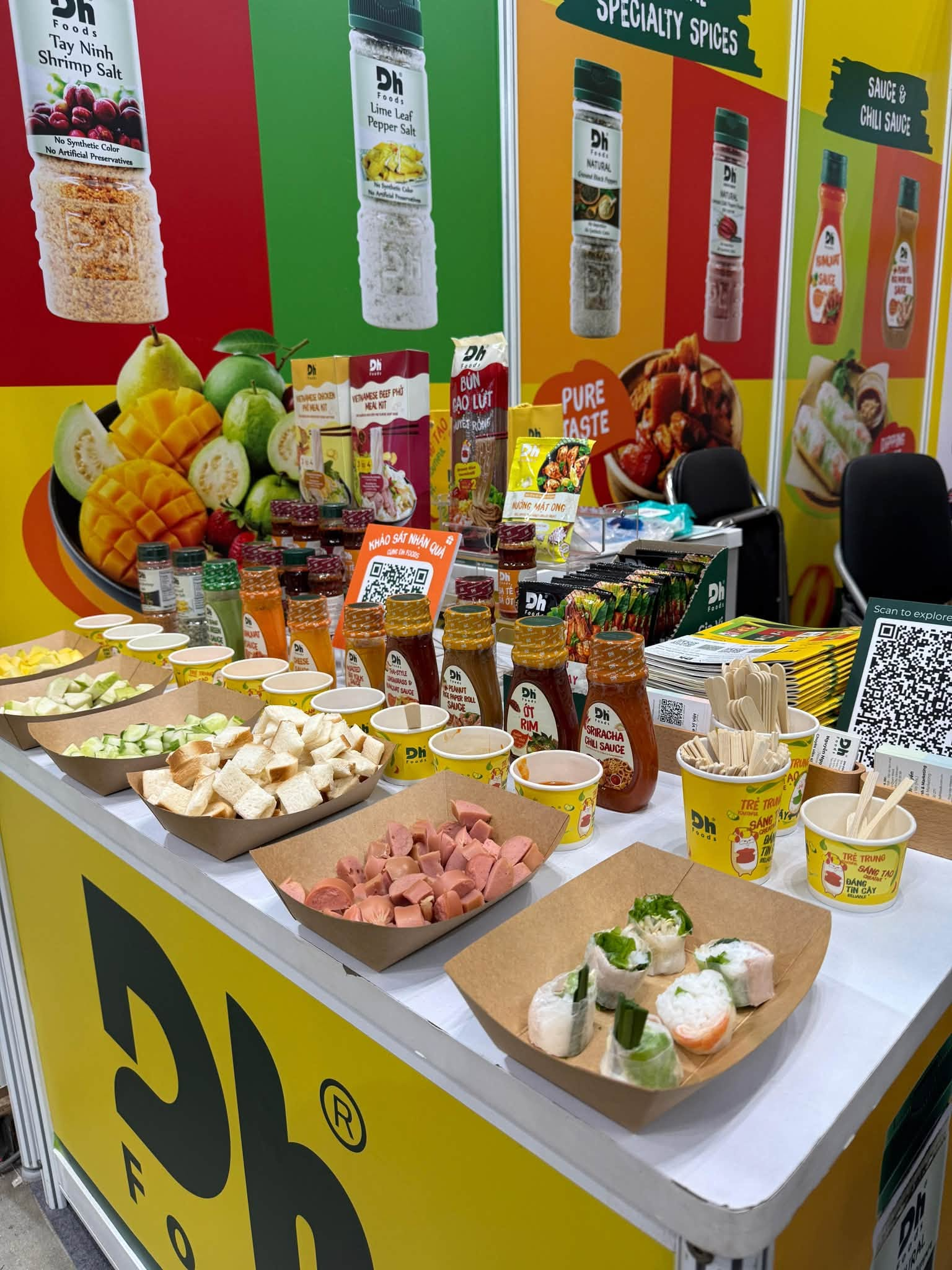
According to Dũng, the venture before Dh Foods consumed several million USD without succeeding, while Dh Foods began with around VND 1.2 billion. Smaller resources forced a different structure: contract manufacturing instead of an immediate factory, one jar format for multiple products, outsourced logistics and accounting, and a lean initial organization.
This is more than saving money. A light cost structure preserves the ability to change while products and channels remain unproven. Factories, fleets, or large headcounts may feel professional, but turn untested assumptions into fixed costs. The deeper lesson is that the most valuable early asset is not scale, but the ability to correct decisions at an affordable cost.
3. Experience in an old market does not replace new validation
Dũng’s first product idea was vegetable seasoning powder, common in Eastern Europe. The initial assumption seemed reasonable: a product accepted where he had operated might find opportunity in Vietnam. But field research opened another direction—fruit dipping salts and regional specialty seasonings. This group later gave Dh Foods a more distinctive presence.
A product’s success in market A is only reference information for market B. Tastes, buying habits, acceptable prices, outlets, and competitors may differ. Experienced founders especially need safeguards against bias: small batches, repeat-sale observation, questions about why customers choose the product, and willingness to abandon assumptions that worked elsewhere.
4. Sales channels are part of the product, not the final step
Dh Foods once expanded its traditional sales team to nearly twenty people after positive distributor signals. Within months, orders slowed, payroll increased, and near-expiry stock required recall. In supermarkets, a large consignment order from SuperBowl created expectations but ultimately became a loss when the system went bankrupt and failed to pay for sold goods, according to the founder.
These cases show that demand cannot be measured only by the first stocking order. A product truly has a market when it sells through, has suitable repurchase speed, and returns cash on time. Before adding staff, startups need at least four measures: sell-through speed, returns, cost to serve each channel, and collection days.
5. Small orders can buy market access
Early on, some Dh Foods supermarket orders were worth less than delivery costs. Dũng still required full delivery because skipping orders could bring penalties, lost contracts, or a closed distribution door. According to his figures, initial warehousing and transport costs reached around 20% of sales, then declined with scale.
This does not mean selling at a loss indefinitely. It shows the need to distinguish a flawed model’s losses from time-limited investment in a strategic asset: shelf space, sales data, delivery credibility, or customer access. Every deliberate loss needs a budget limit, review deadline, and stop condition; otherwise channel investment becomes habitual loss subsidization.
6. Fundraising is a strategic choice, not a certificate of success
On Shark Tank Vietnam in 2021, Dũng disclosed Dh Foods’ latest revenue of VND 100 billion, a 2020 net margin around 10%, and average growth of 50% over the previous five years. He rejected VND 12 billion for 15% equity and proposed 5%, but no agreement was reached. These were company-disclosed program figures, not audited reports independently verified by this article.
The lesson is not whether rejecting investors was right or wrong. Founders need to know which bottleneck funding addresses, acceptable dilution, and investor capabilities beyond money. A failed deal may still be a good decision if terms weaken long-term motivation; conversely, retaining more shares means little if the business lacks resources to overcome growth constraints.
7. Past success can become a new limit
Regional specialty seasonings once gave Dh Foods a recognizable niche. By 2025, however, the company acknowledged that this positioning was limiting access to young consumers and development of modern sauces. It therefore adjusted its identity and expanded the brand story from regional heritage toward clean, innovative specialty seasonings suitable for more uses.
The change followed a new factory in Long An, a broader range, and entry into multiple overseas markets. According to Dân Việt, Dh Foods disclosed 2023 revenue of VND 180 billion, up 14% year on year. The business did not wait for a crisis to change. This may be the clearest lesson from a founder restarting before sixty: the spirit of a new beginning does not end with incorporation; it must persist while the model is performing well.
- Restarting brings experience, but every assumption still needs testing as if you were new
- Limited resources require a lean structure, outsourcing areas that do not yet create advantage, and preserving choices
- Positioning that once brought success can become a constraint when markets and customers change
The age at which you restart matters less than separating experience from ego. Good experience identifies risks early; old experience becomes a burden if it makes a founder believe a new market will work like one they previously won in.
Suggested actions
Sources and updates
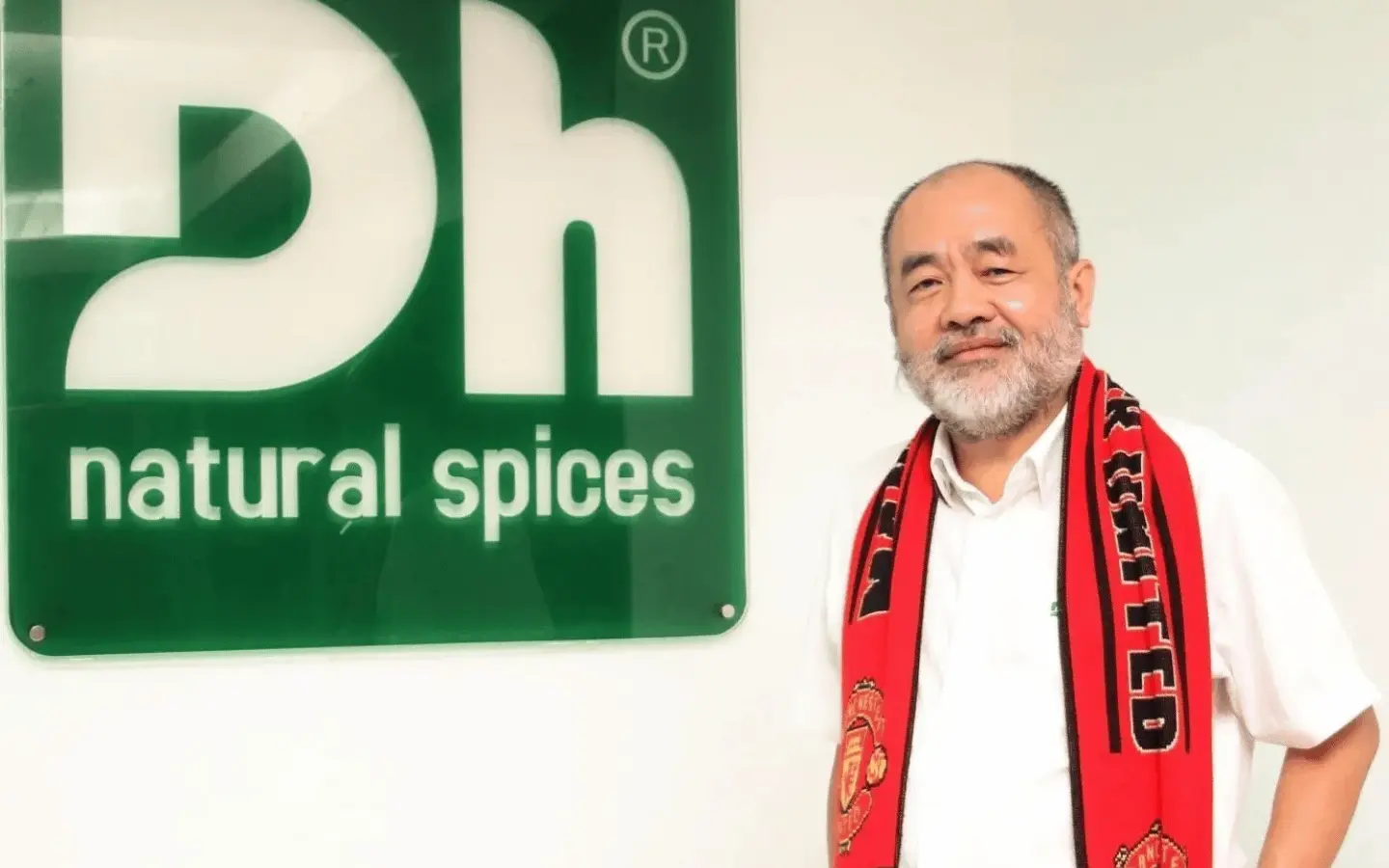
Originally edited by the Bài Học Kinh Doanh editorial team on August 31, 2026 from Nguyễn Trung Dũng’s public remarks, Dh Foods information, and the press articles below. Startup capital, revenue, profits, growth, and export reach were disclosed by the company or founder at particular times and should not be treated as audited financial reports. The image of Nguyễn Trung Dũng comes from Dh Foods’ official communications page. The article analyzes management lessons; it is neither advertising nor investment advice.

Bài Học Kinh Doanh Editorial Team
Editorial Team | Bài Học Kinh DoanhBan Biên tập Bài Học Kinh Doanh tổng hợp và biên tập các nội dung về kinh doanh, thị trường, quản trị, công nghệ và khởi nghiệp, với mục tiêu giúp người đọc hiểu rõ vấn đề, nhìn thấy bài học phía sau dữ kiện và có thêm cơ sở cho các quyết định thực tế.
View author profile