Vingroup and the Vietnam Academy of Science and Technology (VAST) are expanding research and training cooperation. From a business perspective, the promising value lies in connecting scientific knowledge with production needs. But moving from an agreement to a competitive product still requires capital, people, coordination mechanisms and real-world tests.
Connecting research capabilities with application needs
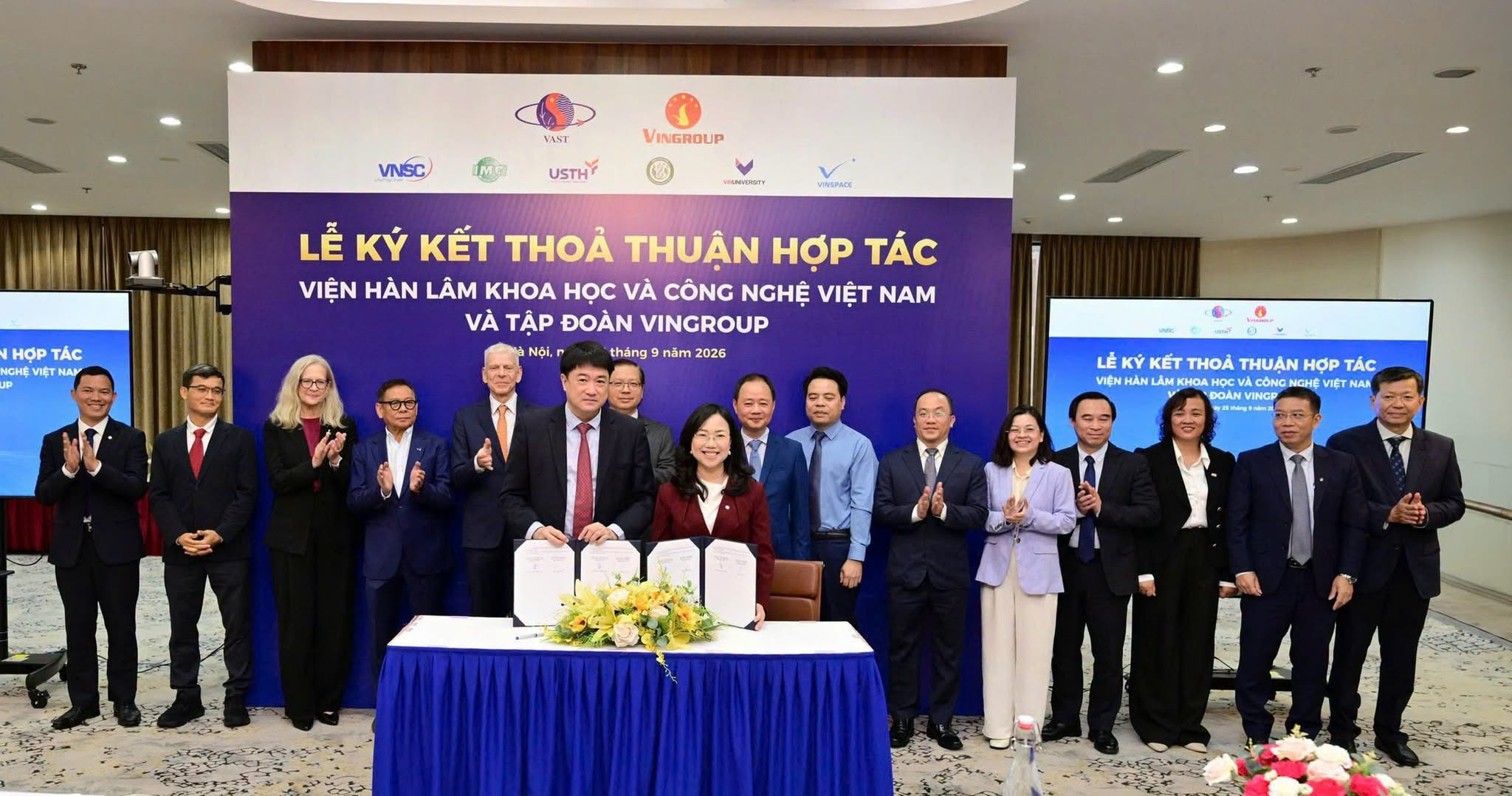
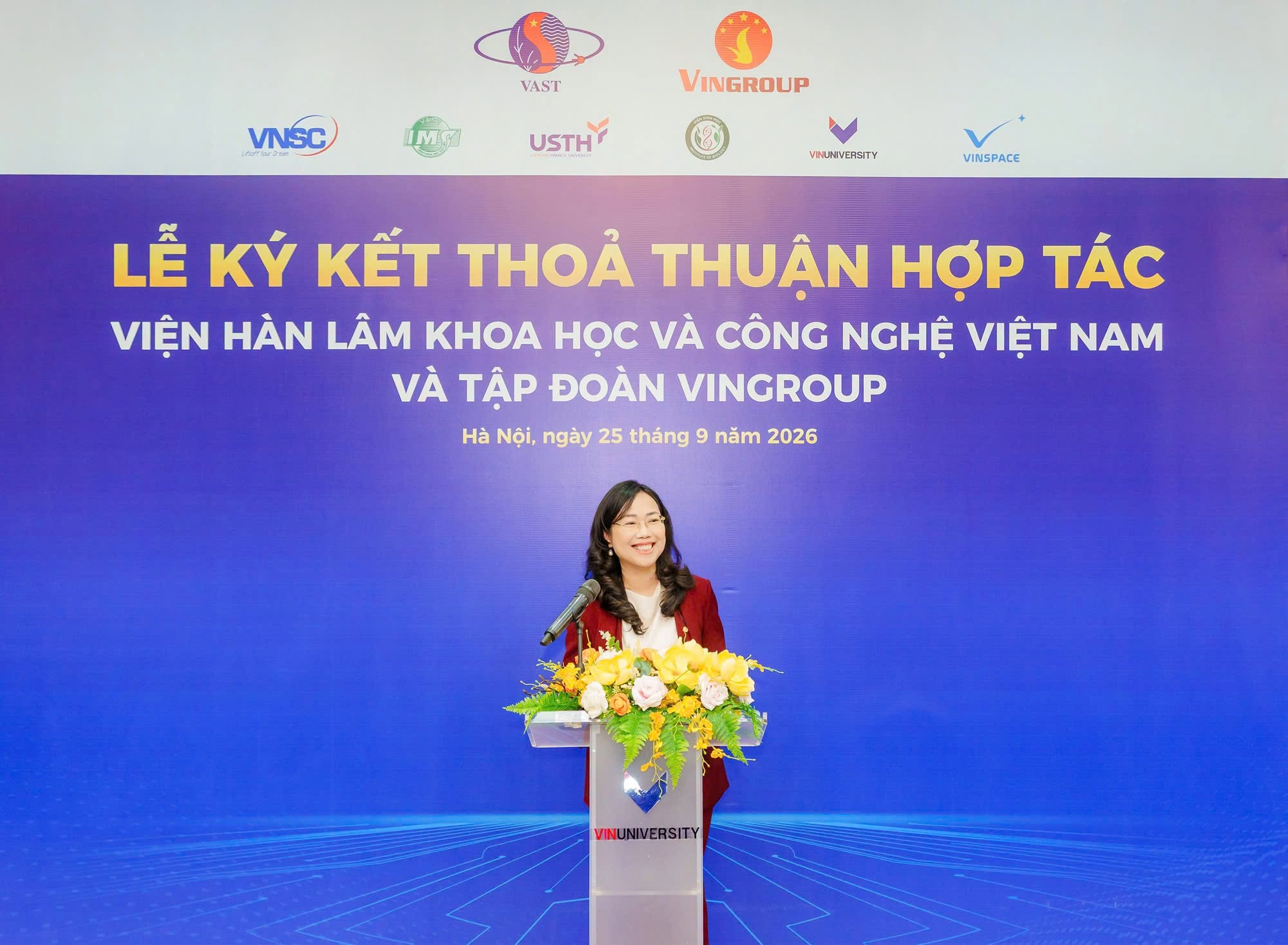
According to official information, Vingroup and VAST signed a cooperation memorandum in Hà Nội on September 25, 2026. Priorities range from AI, data and robotics to materials, energy, biomedicine and space technology.
The parties plan joint research groups, coordinated use of infrastructure and data, and postgraduate training. The goal is to bring scientific results closer to application.
These are cooperation directions. Signing does not mean the technologies have already been mastered or products are ready for commercialization.
Specific implementation partners
Vingroup's announcement describes cooperation between VinUni and USTH, the Institute of Materials Science and the Institute of Biology. Research directions include digital technologies, energy, advanced materials and biomedicine. VinSpace and the Vietnam National Space Center aim to develop satellites and Earth observation systems.
According to VAST, specific activities are established in separate documents, with cooperation programs agreed annually. This detail merits attention when evaluating implementation progress.
From a management perspective, assigning work by expertise is only a first step. Each group also needs a clear problem, an accountable owner and a recipient for the result so research does not become detached from actual use.
BHKD's perspective: the gap between laboratory and market
A strong laboratory result requires many tests before becoming a product. Equipment must operate reliably under actual conditions; processes must be repeatable; costs must stay within customers' willingness to pay. For businesses, the question is not only whether technology works, but who will use it and why they will pay.
Links among research institutes, universities and businesses can connect these stages. Scientists contribute specialist depth; engineers turn results into operable solutions; commercial teams provide feedback on needs, costs and service. This is a view of the model's potential, not a demonstrated result of the newly signed agreement.
Users need to enter testing early enough. A prototype refined through real feedback has a better opportunity to progress than a product assessed only through technical specifications.
Measure technological autonomy capability by capability
From a business perspective, autonomy can start with specific questions: does the domestic team understand the design, repair faults, replace important components when supply is disrupted and develop the next version independently?
Not every component needs to be domestically manufactured to create value. Businesses should identify which elements determine performance, upgradeability and dependency, then focus on building capabilities there. International cooperation can still support learning and access to standards.
Assess autonomy through the team's execution capability and rights to exploit technology. A Vietnamese-branded product also warrants scrutiny of design depth, integration, operation and improvement.

Capital, exploitation rights and working rhythms: conditions to clarify
Research and business run at different rhythms. Research teams need verification time; businesses need deadlines, budgets and investment decisions. If the parties agree only on broad goals, these differences can emerge when project results fall short of expectations.
One arrangement worth considering divides a project into milestones: proof of principle, prototyping, real-world testing and scalability assessment. After each milestone, the parties have evidence to continue, adjust or stop. This is BHKD's management suggestion, not a description of mechanisms announced in the agreement.
Ownership of results, data-use rights, disclosure scope and transfer responsibilities also need specific agreement. Early clarity protects research incentives and provides a basis for continued business investment.
Preserve space for long-term research too. If every topic must demonstrate immediate revenue, foundational directions may be overlooked. Good management distinguishes near-market projects from research requiring time to accumulate knowledge.
What can small businesses learn from partnership models?
An applicable lesson at smaller scale is to begin with a specific business problem: high error rates, energy consumption, difficult quality control or insufficient decision data. A clear brief helps find the right expert and avoids investing in technology merely because its name is appealing.
Businesses also need to prepare people to receive results. If all knowledge remains with the partner, the solution may be hard to maintain when the project ends. Transfer should include documentation, training and the ability to handle common situations.
For suppliers and startups, large research programs suggest potential niches in testing, measurement, specialized software or integration engineering. However, those possibilities require verification through actual purchasing demand; this article does not treat the agreement as a Vingroup or VAST partner-recruitment announcement.
What to look for after the signing
The partnership's value will become clearer through specific projects and assessable results: which problem a prototype solves, its test conditions and costs, who receives it and what the team has learned.
Revenue is not the only measure. A new process, accumulated design capability or engineers able to improve independently can also build lasting foundations. Those values still need specific description and verification.
For Bài Học Kinh Doanh, the notable point is how complementary capabilities connect. Knowledge creates new possibilities; organized execution brings them into life. When both meet a sufficiently clear need, cooperation gains a basis for sustainable value.
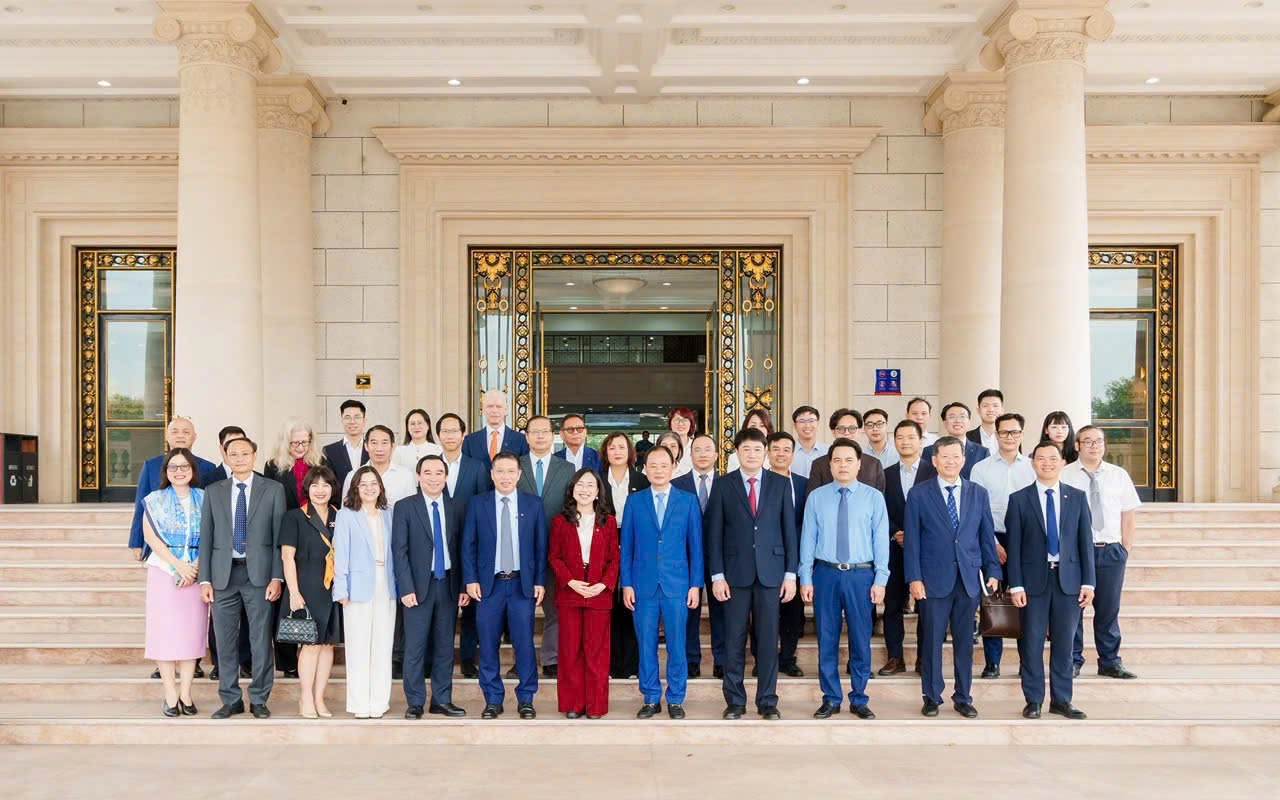
- The parties signed a memorandum of understanding in Hà Nội on September 25, 2026, aiming to develop technology and high-quality talent.
- Cooperation covers digital technologies, materials and energy, biomedicine and space.
- Effectiveness should be assessed through test results, application potential and capabilities accumulated after each project.
A research partnership creates value when the parties identify the problem, the users of its results and success criteria together. Technological autonomy starts with the ability to understand, operate and improve a product's important elements.
Suggested actions
Sources and updates
Event information was cross-checked with Vingroup and the Vietnam Academy of Science and Technology, updated September 27, 2026. Images were supplied by the article submitter. The business perspective is editorial analysis, not statements or commitments from either party.
Last updated: 27 Sept 2026
Bài Học Kinh Doanh Editorial Team
Editorial Team | Bài Học Kinh DoanhBan Biên tập Bài Học Kinh Doanh tổng hợp và biên tập các nội dung về kinh doanh, thị trường, quản trị, công nghệ và khởi nghiệp, với mục tiêu giúp người đọc hiểu rõ vấn đề, nhìn thấy bài học phía sau dữ kiện và có thêm cơ sở cho các quyết định thực tế.
View author profile