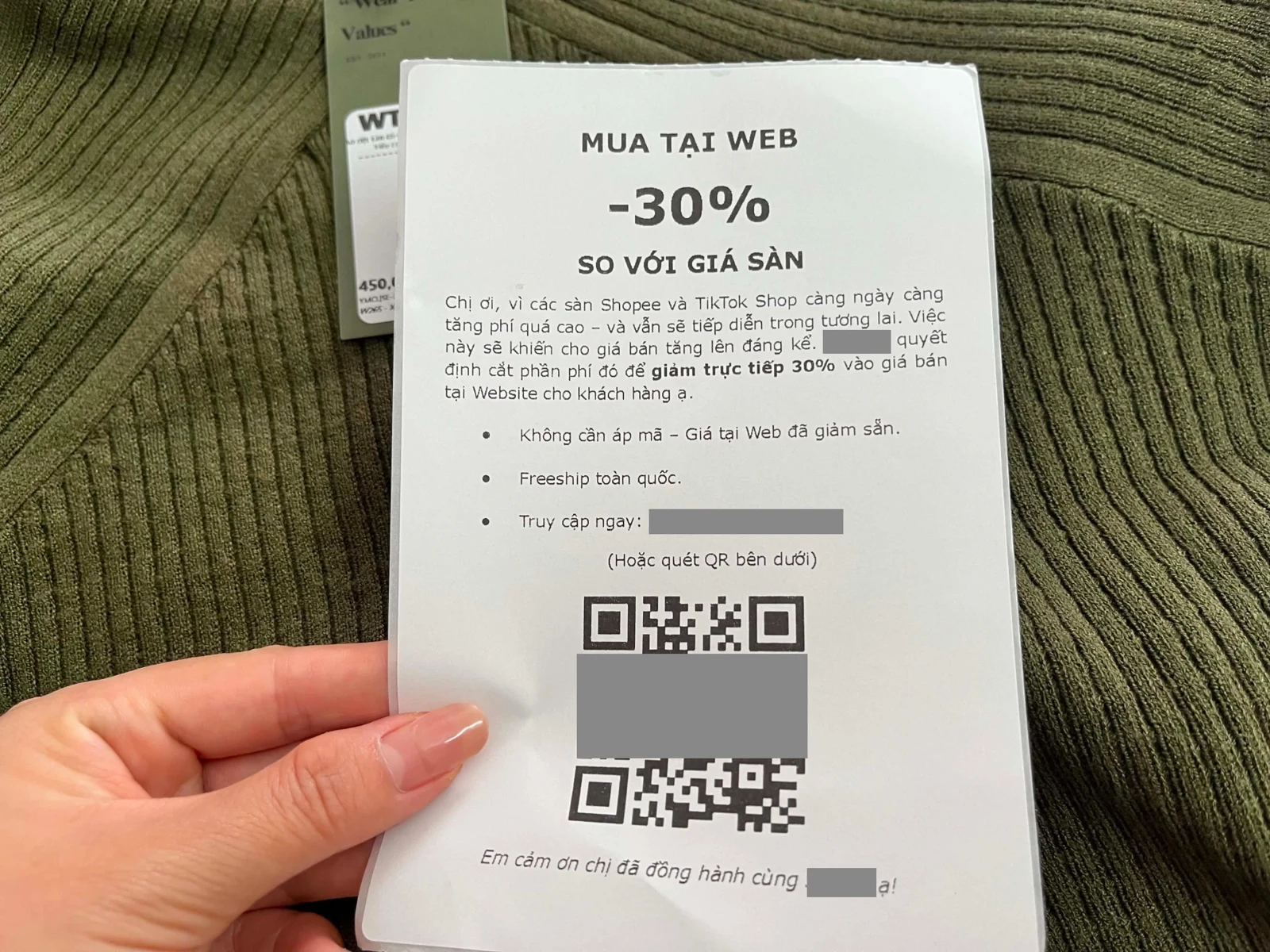
Price-response templates, needs clarification and tactful reminders without pressure. A guide for small sales teams, starting with customers' real questions.
Silence is insufficient evidence that customers find it expensive
They may be comparing, unsure which version they need, not ready to buy or simply busy. A price inquiry does not mean purchase readiness. Labeling them unserious can make the team overlook valuable information.
Check whether your information is clear enough, whether customers must take too many steps and whether the product truly fits. Replace these templates with your shop's actual prices, policies and features.
1. Answer the price first, then ask one necessary question
Template: 'This model costs [actual price], including [included items]. Do you need it for [need A] or [need B], so I can check the suitable version?' The question should help choose a product, not merely prolong the conversation.
If specifications determine the price, provide a supported range and deciding factors. For example: 'Price depends on size and quantity; please share those two details so I can quote accurately.' Do not avoid price through unrelated questions.
2. Clarify total cost
Product price may differ from the total payable. When information is available, specify relevant charges such as delivery, installation or necessary accessories. If not determined, explain what must be checked.
Template: 'The product costs [price]. I'll check delivery to [area] before confirmation; you don't need to pay at this step.' Use only wording matching the shop's actual process.
3. Explain value through verifiable details
Replace 'Our quality is better' with specifications, construction, usage or specific services. Template: 'This version differs in [true feature]. For [situation], it is useful because [reason].'
If a feature is irrelevant to the customer's needs, do not use it to justify a high price. Suggest an adequate alternative. Correct advice from the start reduces mistaken expectations and post-purchase discussions.
4. Offer a small choice instead of the whole catalog
Once needs are stated, choose one or two clearly distinct options. Template: 'Based on your needs, I've selected two models: A suits [conditions], while B adds [difference]. Which [criterion] matters more, so I can send the right details?'
Do not create false choices or hide significant limitations. If no product fits, honesty preserves trust better than closing a product the customer cannot easily use.
5. Follow up with useful information
If further contact is appropriate, send a short useful addition: 'Here's [size chart/video/answer] for reference. If you don't need to buy now, feel free to save it.' Repeated question marks and demands for a reply are unnecessary.
Timing should fit the buying cycle and contact preferences. Stop if the customer declines or asks you to. Do not use false scarcity, blame or pressure to obtain a response.
6. End clearly when the product does not fit
Template: 'For the need you described, this model doesn't fit in [specific respect]. I'll share the criteria to check so you can choose more accurately.' A helpful consultation need not produce an immediate order.
Suggest another suitable product only after checking it. Do not promise nonexistent features, uncertain delivery times or outcomes beyond your control.
Review conversations to improve the system
Each week, review conversations and mark where customers stop: after the quote, delivery fee, specifications or receipt timing. Record reasons customers actually state; nonresponse must remain 'unknown'.
If many people ask the same question, add the answer to sales posts or product pages. Measure completed orders and fit, not just message response rates. Content improvements can save consultation time before scripts even need changing.
- Each piece of content should answer a specific question.
- Promises and evidence must match the actual product.
- Track the journey to completed orders, not just views.
If many people ask the same question, add the answer to sales posts or product pages. Measure completed orders and fit, not just message response rates. Content improvements can save consultation time before scripts even need changing.
Suggested actions
Series: Content that generates orders
- Many views but no orders: check six points before increasing advertising
- A 7-day sales content calendar: each post addresses one reason customers have not bought
- Customers ask the price then go silent: six responses to keep the consultation moving
Sources and updates
Original practical content by the Bài Học Kinh Doanh editorial team. Wording templates and scenarios are illustrative; any figures are hypothetical, not industry benchmarks or performance promises. The illustrative image was AI-generated.
Last updated: 27 Sept 2026
Bài Học Kinh Doanh Editorial Team
Editorial Team | Bài Học Kinh DoanhBan Biên tập Bài Học Kinh Doanh tổng hợp và biên tập các nội dung về kinh doanh, thị trường, quản trị, công nghệ và khởi nghiệp, với mục tiêu giúp người đọc hiểu rõ vấn đề, nhìn thấy bài học phía sau dữ kiện và có thêm cơ sở cho các quyết định thực tế.
View author profile