A startup struggles to win shelf space by presenting only what it already has. In Nguyễn Trung Dũng's account, Dh Foods found an opportunity by recognizing an unresolved buyer problem and turning that information into a product range. Negotiation leverage comes from addressing a specific need, alongside disciplined delivery of commitments.
When a small seller meets a large buyer
A new brand often enters buyer meetings at a disadvantage: few products, limited evidence of sales performance and little broad recognition. Buyers must consider shelf space, category returns and operating capability. In some markets, adding a new item also means removing an existing one, according to Nguyễn Trung Dũng.
Saying a product is good may therefore be insufficient to prompt a decision. More useful questions are: what buyer problem does it solve, which customers does it serve and what category gap does it fill? The Dh Foods story illustrates finding answers in customer conversations.
One remark opens a new product challenge
Dũng recalls that after the 2019 Year of the Pig Lunar New Year, he and Huyền, Dh Foods' Sales & Marketing Director, met a supermarket chain to negotiate the annual contract. Huyền handled the discussion while he mainly observed and listened. Buyer 1 casually mentioned being tasked with building a natural-spice section but not having found a supplier.
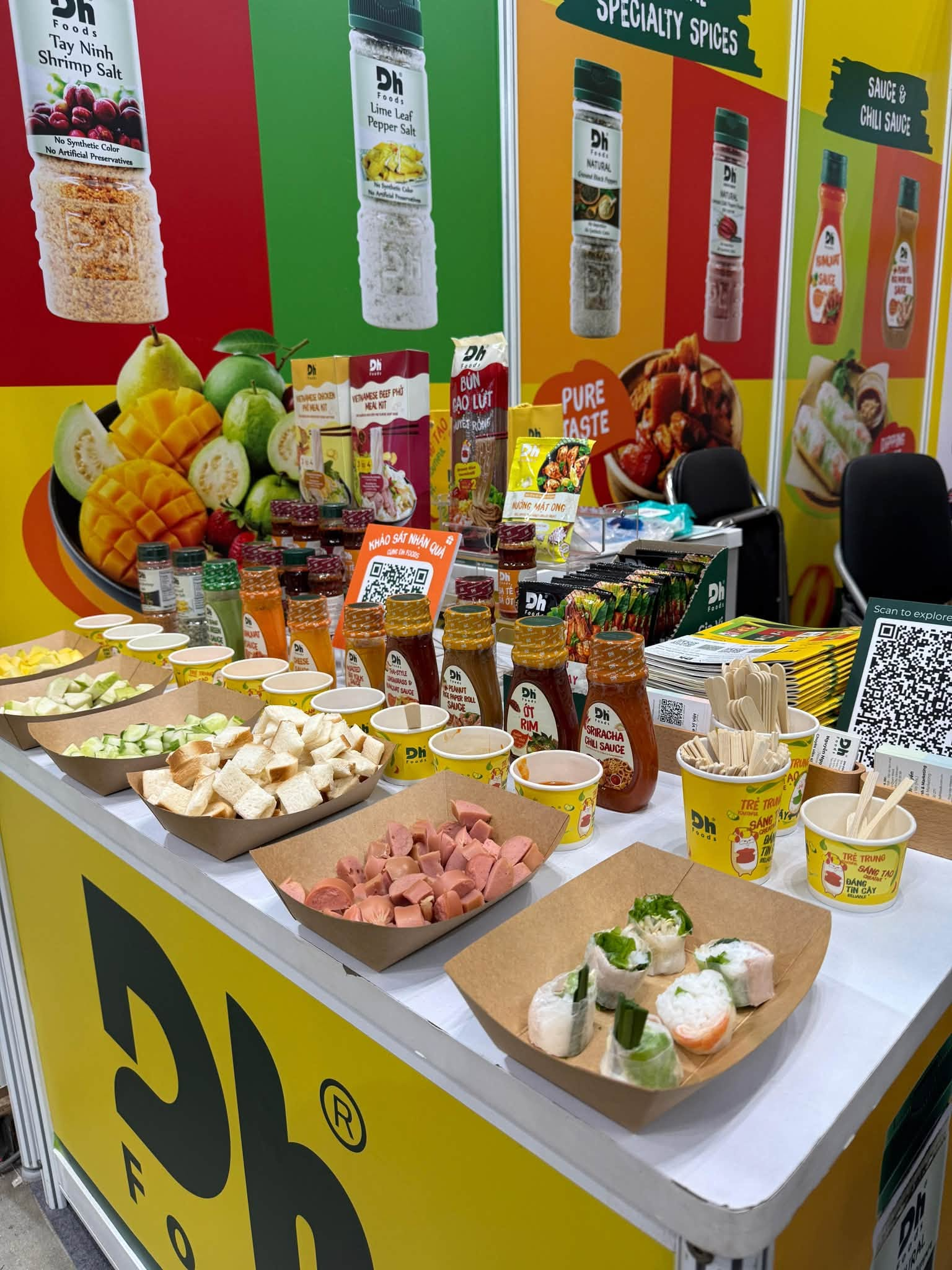
Dh Foods then had only chili powder, not a complete natural-spice range. Dũng offered to participate, and the team sourced ingredients, researched products, designed packaging, completed product declarations and prepared grinding and packing equipment. According to his account, within two months they had almost 30 products, including turmeric, onion, garlic, Korean-style chili powder, five-spice and curry.
The valuable lesson is recognizing a need with an accountable person and a concrete deadline. However, the original account describes developing products to pitch and does not disclose full purchasing terms. Do not conclude that the supermarket guaranteed sales for the entire range.
Buyers suggest not only products but design approaches
When pitching the range to other chains, Dh Foods received more market information. Buyer 2 suggested whole-herb spices so consumers could see ingredients instead of buying only ground blends. Suggestions included seasonings for phở, bún bò Huế, Thai hotpot and Chinese-style herbal hotpot.
According to Dũng, this feedback helped lead to a cooking-seasoning range with transparent bags. It changed both the product and how value was communicated: buyers could see the ingredients before deciding.
BHKD's perspective: useful feedback reveals not just what customers want to buy but how they evaluate products. A packaging detail can resolve a concern that the sales presentation misses. A single opinion still needs comparison with users and other channels before major investment.
Read nextRead next: seven lessons from Nguyễn Trung Dũng's entrepreneurial journeyConnect a specific need to a longer-term direction
Dũng also recalls an Aeon conference where he heard that consumers move toward Natural before Organic and Vietnamese businesses should pay attention to Natural. This is a recollection from his story, not a current market forecast verified by this article.
In a meeting with Buyer 3, a foreign supermarket chain, the need to build a Natural spice section emerged again. This time Dh Foods had products to present. The team continued refining packaging, putting Natural below the logo and reviewing ingredients.
According to Dũng, the company completed the Natural range around criteria of natural origin, no MSG, no seasoning granules and no artificial flavoring; artificial preservatives and synthetic colors had been excluded from the outset. These are the company's criteria stated in the original account. Natural and Organic are separate concepts, cannot be used interchangeably and do not imply Organic certification.
He states that in 2020 existing ranges grew around 10%, while Natural contributed an additional 30% growth. The original post does not detail the calculation or comparison basis; do not interpret this as revenue share, add it into a total growth rate or attribute all results to one cause.
Negotiation leverage comes from becoming a better fit
In this story, Dh Foods did not change its size immediately before negotiating. What changed was its fit with the buyer's task. When a supplier offers a solution for a category gap, the conversation may move from requesting shelf space to jointly evaluating implementation.
The process can be viewed in four steps: identify an unmet need; validate it across meetings; turn it into a suitable product and presentation; return with a concrete proposal. This is BHKD's analytical framework, not a formula guaranteeing supermarket acceptance for every startup.
Listening does not mean doing everything a customer requests. Choose what fits your expertise, resources and direction. If each buyer pulls products in a different direction, the team can lose focus and the portfolio become hard to operate.
Saying yes quickly: major opportunity, major obligations
Committing before a full product range existed makes the story memorable. Applied mechanically, it can lead startups to overcommit, leave insufficient testing time, create inventory or invest in equipment for unconfirmed demand. Retain the lesson of reacting quickly to market signals while clarifying scope and delivery conditions.
Before accepting a new request, define quality standards, deadlines, trial scale, costs and approvers. In food, commercial timing does not replace safety, documentation and quality requirements. Propose samples and appropriately scoped trials, then expand after meeting agreed criteria.
Entering a retail chain does not equal profitability. Startups must calculate realized selling prices, discounts, delivery costs, promotions, returns and collection timing under specific terms. Serving multiple customers reduces dependence but must be balanced against production capacity and working capital.
Read nextRecalculate order profit before accepting commercial termsChecklist for your next buyer meeting
Before the meeting: study the current category, end customers and what your products can add. Prepare samples, supply-capacity information and explanations of verifiable differentiation.
During the meeting: ask what problem the buyer needs to solve, supplier selection criteria, approval participants and evidence required for the next step. Record remarks outside the formal pitch, then clarify them to avoid misunderstanding.
After the meeting: confirm needs and proposed scope in writing; separate facts from assumptions; assign owners for product, quality, commercial terms and timing. If trialing, agree on evaluation methods rather than merely await praise.
A final question for founders: at your last meeting, how much time did you spend describing your products, and what did you learn about the buyer's problem? A pitch that does not close an order can still create value if the information improves your decisions.
Read nextNext step: write a B2B proposal that helps customers decide- Valuable information can emerge in a remark outside the formal negotiation.
- Needs from multiple buyers help verify and refine product development.
- Recognizing an opportunity must include assessing capability, order economics and customer-dependence risk.
A startup can improve its position by solving a partner's problem that existing alternatives do not address well. Listening creates information; execution turns it into value; commercial discipline makes that value a sustainable business.
Suggested actions
Sources and updates
Edited on October 5, 2026 from Nguyễn Trung Dũng's Facebook account, using the original text supplied by the contributor. Timelines, product counts and growth figures are his recollections; this article does not treat them as audited figures or independent confirmation by retail chains. Buyer 1, 2 and 3 retain the original labels. Lessons and checklists are BHKD editorial analysis.
Last updated: 5 Oct 2026
Bài Học Kinh Doanh Editorial Team
Editorial Team | Bài Học Kinh DoanhBan Biên tập Bài Học Kinh Doanh tổng hợp và biên tập các nội dung về kinh doanh, thị trường, quản trị, công nghệ và khởi nghiệp, với mục tiêu giúp người đọc hiểu rõ vấn đề, nhìn thấy bài học phía sau dữ kiện và có thêm cơ sở cho các quyết định thực tế.
View author profile